Trusted PTC Site.

Showing posts with label Huawei. Show all posts

Thursday, May 16, 2013

Huawei Ascend Mate

Great IPS displayOutstanding battery lifeDecent cameraLaggy performanceToo big and heavyLow internal storageBland interface design
Huawei is the epitome of the challenger brand. With a brand name that no one ever pronounces correctly (even a receptionist at the Mate's launch event reffered to the company as 'highway'), the Ascend Mate isn't going to be on the tips of the tongues of many in the market for a new phone.

To counter this, Huawei is resorting to headline-grabbing specs and features. There's the 6.1-inch screen, for starters, plus a custom quad-core processor which Huawei is claiming to be fastest in the world. Has we got your attention yet?
With a screen this size, the Ascend Mate truly is a 'phablet', however much you may hate that word. It is more than a centimetre taller than the Samsung Galaxy Note 2, and half of a a centimetre wider.

It is also a touch heavier, at 198-grams, though for better perspective, compare this to the 130-gram weight of the Galaxy S4. In short: this feels like a big phone to hold and carry around.
Happily, the quality of the 6.1-inch screen makes it feel like the size and weight are a worthwhile trade-off. Huawei opts for a bright IPS LCD display which shows excellent colours and blacks, and has a fantastic viewing angle. Even with the phone titled at acute angles away from your eyes, the images on screen as still clear and colourful.


 Huawei positions the power and volume buttons halfway down the side of the handset, and while this might seem unusual at a glance, it is actually the best place for them for when you are holding the phone one handed and hoping to find the buttons easily.

There are no hard or soft navigation keys on the handset itself. Instead, Huawei make use of the soft-keys included in the design of the Android Jelly Bean, with Back, Home and Multitasking buttons along the button of the visible screen space.
There is a 3.5mm headphone socket on the top of the handset, across from a micro-SIM slot. There's also a microSD card slot on the side to expand the handset's 8GB internal storage.

The back of the phone is covered in a soft-touch black plastic, which feels nice to hold, even though it shows fingerprints over time.
In what may be considered an unpopular move, the Ascend Mate is a sealed handset, meaning you won't have access to the battery.

Thursday, March 7, 2013

Hands-on review: MWC 2013: Huawei Ascend G510


The Huawei Ascend G510 is promising a big screen experience at a low price point as the Chinese firm looks to tie up the bottom end of the smartphone market with an onslaught of new devices.

Playing big brother to the Ascend Y300, which shares the same design ethos, the Ascend G510 will sport a surprisingly attractive price. A Huawei spokesperson told TechRadar they expect the handset to go on sale for about £130 (around $200/AU$190).

The Huawei Ascend G510 release date is pegged for April/May this year, and we'd expect it to arrive in markets around the world.

It's an unassuming handset that sports the classic black slab look of many smartphones these days, with a sturdy plastic body hugging the glass-covered front of the handset.

The edges are slightly rounded, which enables the 134 x 67 x 9.9mm (5.3 x 2.6 x 0.4 inch) frame to sit pretty well in the palm, and the textured back cover adds a useful amount of grip so that we never feared dropping the Ascend G510.

The G510 comes in white as well as black, and the rear of the phone has a gloss finish, making it a little trickier to grip.

Something that did throw us, though, was the placement of the power/lock, which is usually found on the right side or on top of a handset.

Instead the button is located above the volume rocker on the left side of the Ascend G510, which meant we had to perform an unfamiliar finger movement to unlock the phone.

We're pretty sure it's something we'd get used to if we used the phone for a few days, but for the first few attempts it just feels weird.

That "big screen experience" that we mentioned at the start is provided by a 4.5-inch FWVGA IPS display.

It's pretty bright, Android Jelly Bean looks clear and for a handset with such a potentially low price the Ascend G510 is well equipped in this department.

As with the Y300, Huawei has stuck its premium Emotion UI overlay on, which features on the flagship Ascend P2.

This user interface does away with the app list altogether, providing you with only the home screens to manage your apps from, in a bid to make Android an easier platform for first time users.

Luckily you can easily create folders by dragging and dropping one app onto another, which means you won't have to use all nine home screens and waste time skipping between them to find what you want.

There's also a range of themes to choose from that change the icon style, wallpaper, font and colour scheme to give a look that suits you.

Adding to the personalisation options even more, Huawei has added a master widget that enables you to pop several widgets of varying sizes into one larger container - a design that reminds us slightly of Live tiles on Windows Phone 8.

Huawei has thrown a 1.2GHz dual-core processor into the Ascend G510 that doesn't have any trouble running Jelly Bean, but it doesn't have the same zip as the more powerful smartphones on the market.

When we flipped the Ascend G510 over to inspect the rear we got a bit of deja vu, since the design of the camera is very similar to the HTC One X.

So similar in fact, we couldn't help but put the two side by side for a camera design showdown. The winner? That's for you to decide.

The camera itself is a 5MP offering, plus there's a single LED flash to help you out in low light.

Launching the camera app was a quick affair, and shutter speed on the Ascend G510 was also pretty decent.

There's no HDR mode, but you can snap a panorama photo with the Ascend G510, plus you have a choice of a range of effects you can apply to your snaps.

Slightly disappointingly, the G510 is only capable of shooting VGA quality video. This lets the handset down a bit, since we're becoming used to seeing even lower end models offering up 720p recording.

Huawei has also popped a front-facing 0.3MP camera on the Ascend G510 if you fancy grabbing a mug shot or Skyping a loved one.

Another small downer is the 4GB of internal storage, of which only around 2GB is actually available to use, but there is a microSD slot that enables you to expand this, thankfully.

The Chinese firm hasn't stuck with the stock Android keyboard on the Ascend G510, instead opting to employ its own version. This is perfectly serviceable but we'd prefer a third party option such as SwiftKey if we were going to be doing some serious typing.

There's a reasonably sized 1,700mAh battery housed inside the Huawei Ascend G510, but the larger screen and bumped up processor may result in a mediocre life - we'll have to wait until our full review to see how it actually fares.

If it sticks with its attractively low price point, the Huawei Ascend G510 could be a winner at the budget end of the market, offering up a screen that's larger than most in its bracket.

The Emotion UI overlay may not be to everyone's taste, but we can see it helping those who are new to Android and to smartphones in general, and we're looking forward to getting the Ascend G510 in for a full review.

View the original article here

Hands-on review: MWC 2013: Huawei Ascend Y300


We're not quite sure why some handsets don't get a proper announcement when they are in front of the world's press, but the Huawei Ascend Y300 is another handset from the Chinese manufacturer that is quietly residing on its booth.

This handset is incredibly similar to the Ascend G330 in terms of specification, but it sports a slightly different design, battery boost, a newer version of Android and a fresh overlay.

The Ascend Y300 release date is set for April/May and while no price was available we reckon it will land around the £100 (around $150/AU$147) mark.

In terms of style, the Ascend Y300 borrows its look from its bigger brother, the Huawei Ascend G510, sporting an assuming generic smartphone design.

It's not the slimmest of handsets, at 11.2mm (0.4 inches), but the Y300 sits comfortably in the hand and its 124.5 x 63.8mm (4.9 x 2.5 inch) frame is made easier to hold thanks to the slightly curved and textured back.

Like the waterproof Ascend G350, the Ascend Y300 comes with a 4-inch WVGA IPS display, which is a little brighter than its water-resistant brother.

On screen you'll find version 4.1.1 of Android Jelly Bean and the same Emotion UI overlay that graces the flagship Ascend P2, as well as the mid-range Ascend G510.

This user interface does away with the app list altogether, providing you with only the home screens to manage your apps from, in a bid to make Android an easier platform for first time users.

Luckily you can easily create folders by dragging and dropping one app onto another, which means you won't have to use all nine home screens and waste time skipping between them to find what you want.

There's also a range of themes to choose from, which change the icon style, wallpaper, font and colour scheme to give you a look that suits you.

Adding to the personalisation options even more, Huawei has added a master widget that enables you to pop several widgets of varying sizes into one larger container - a design that reminds us slightly of the Live tiles on Windows Phone 8.

Jelly Bean runs pretty smoothly on the Ascend Y300, and we managed to navigate around and jump between apps with relative ease, although the missing app list key at the bottom of the screen did catch us out a couple of times.

There's a 1GHz dual-core processor running the show, so the Huawei Ascend Y300 has enough power to ensure that even the more taxing applications such as Google Maps didn't cause too much trouble.

Huawei seems keen to deliver a relatively decent camera experience at the bottom end of the smartphone market, with the Y300 another handset in the firm's line up to sport a 5MP rear-facing camera, plus there's a single LED flash thrown in for good measure.

The camera app is a little sluggish and the shutter takes a couple of seconds to settle the autofocus and snap a picture, meaning rapid fire photos were out of the question.

The design of the rear camera reminds us of the HTC One X, while a front-facing 0.3MP camera offers up a low quality lens for video calls and vanity checks.

Typing on the Ascend Y300 is pretty decent thanks to Huawei sticking with the stock Android keyboard, which offers up a responsive and accurate experience.

A 1,730mAh battery has been squashed inside the Ascend Y300, which should give you a decent amount of battery life, but we'll put this to the test during our in-depth review.

The Ascend G330 hasn't been around for long but the Ascend Y300 looks set to usurp it at the bottom of Huawei's smartphone range.

It offers a good array of features for a low-end smartphone and will certainly give the ZTE Blade 3 and LG Optimus L3 2 a run for their low cost money.

View the original article here
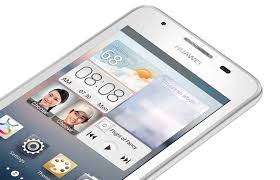
Hands-on review: MWC 2013: Huawei Ascend G350


The Huawei Ascend G350 crept onto the scene at MWC 2013 with its big brother the Ascend P2 stealing all the limelight and getting its own press conference.

Similar in many ways to the budget Ascend G330, the Ascend G350 sees the addition of a rugged chassis and IP68 dust- and waterproofing.

Huawei is aiming the Ascend G350 at the affordable, mid to low-end of the market and expects the handset to arrive in stores in May/June.

Although it's being billed as a rugged device the Huawei Ascend G350 doesn't look overly different to the rest of the smartphone world, a change from days gone by as tough phones looked to be pumped up on steroids.

A metallic rim which runs around the edge of the front of the phone gives an air of premium quality when viewing from a distance, which is a pleasing aesthetical touch.

It's a little on the chunky side, but that's probably due to the waterproofing which has been done to protect all the vitals, and at 125.2 x 65.2 x 11.98 mm it still sits well in the hand and the plastic case feels sturdy.

We were assured by a Huawei representative that the Ascend G350 would withstand being dropped on the floor and hit hard on the desk, however they wouldn't let us test this claim at the show - boo!

Around the perimeter of the Ascend G350 the plastic case is textured providing additional grip which means you can easily keep hold of it, even under water.

It's easy to reach all the keys on the handset, with the power/lock button located on top and the volume rocker switch on the right both proving responsive.

We weren't big fans of the bronze finish on the handset which we snapped, but the G350 also comes in black and while it may not be the most exciting of colours we prefer it in this case.

The 4-inch WVGA display isn't going to blow you away and we found it was a little on the dark side even at full brightness, but we expect the Ascend G350 to be very keenly priced so this isn't a huge problem.

There's a 1GHz dual-core processor under the hood which does a decent job of running Android 4.1.2 Jelly Bean, with no lag during our hands on time.

It's certainly not as snappy as the more powerful handsets but you still get a decent Android experience and Huawei has only applied a light overlay meaning you still have access to all the core Jelly Bean features.

Quick settings have been added to the notification panel giving you access to toggles for Wi-Fi, Bluetooth and GPS.

Huawei has stuck with the stock Android keyboard on the Ascend G350 and thanks to the decently sized 4-inch display typing is pretty good on the responsive touchscreen, although we still prefer the SwiftKey alternative when writing lengthy emails.

There's only 2GB of available storage inside the Huawei Ascend G350 so you'll need to be careful with the apps you download and content you transfer onto the handset, as that could fill up pretty quickly.

A 1,730mAh battery is tasked with keeping you going all day, and due to the waterproof credentials of the Ascend G350 it's sealed into the handset to avoid water damage meaning you can't take it out and swap it.

Round the back there's a 5MP camera minus a flash, but Hauwei has also included a 0.3MP front facing snapper as well which means video calls are an option on the Ascend G350.

The camera app itself is pretty basic, but you do get a panorama mode and a handful of standard options such as brightness and white balance, all of which is easy to use.

Shutter speed is a little of the slow side and image quality is acceptable, but not great with a lack of clarity and strong colour.

The black version of the handset we mentioned earlier was chilling out in a bowl of water at the Huawei stand, and we were able to call the handset and witness it ring - proving its underwater abilities.

Sadly though you cannot operate the Ascend G350 underwater, so if you're in the bath you'll need to keep it above the water line if you want to play Angry Birds.

The Huawei Ascend G350 is a decent durable device with a strong feature list for a handset which will likely sport an affordable price tag.

We may not agree with some of the colour options, but we look forward to getting the G350 in for review and putting it through its paces - we may even smash it against a desk to see if it can really withstand such a brutal attack.

View the original article here